A conversation where we meet one of the key people who make Operahuset what it is. A person who plays an important role in the Opera House's story and contributes to the experiences, the hospitality and the inclusive gastronomy. Together, we continue to create memorable moments - one dinner, one party and one experience at a time.
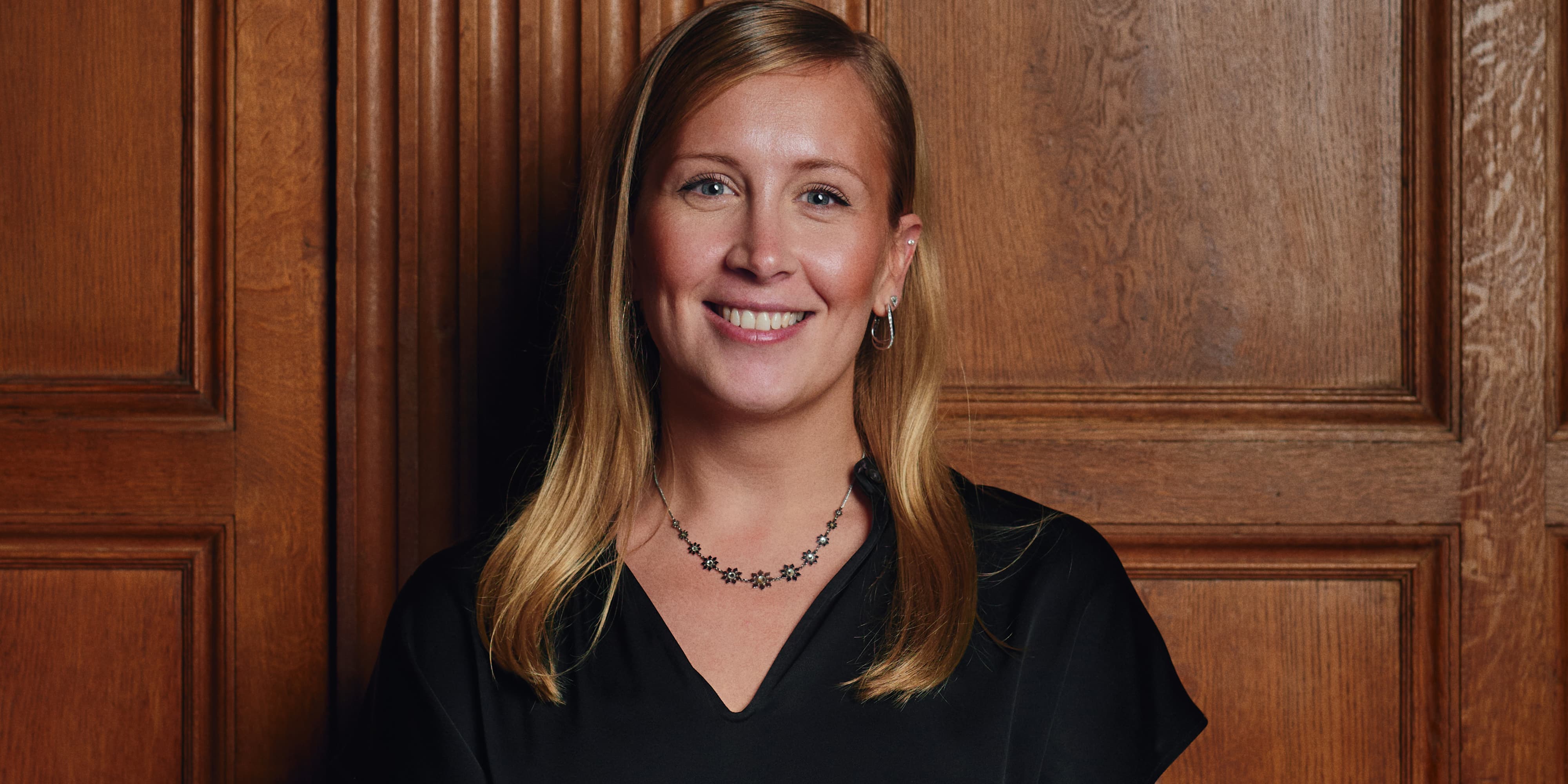
This time we meet Emma Persson, Operakällarens .
Hi Emma! Tell us about yourself.
I'm from Norrköping and attended music classes in secondary school. The idea was that I would become a musician, but I had a fantastic home economics teacher and a mother who cooked incredibly good food. That led me to apply for the hotel and restaurant program with a focus on cooking. I was assigned a mentor who had attended Grythyttan—and eventually I ended up there myself. I trained as a culinary chef and meal creator, studying to become a chef for a total of six years.
I think restaurants are the most fun thing there is. When I'm not here, I basically do the same thing—hang out with friends, eat good food, drink good drinks, and go to concerts.
Tell us about your journey to Operakällaren.
I moved to Stockholm but continued working in Norrköping for a while. In 2019, I started working as a chef at TAK, but when the pandemic hit, the job disappeared. After spending some time at Astoria, I saw that Daniel Höglander was looking for female chefs for Aloë, and I couldn't resist applying. I started as a sous chef, but over time I moved more and more towards the dining room and front of house. At Aloë, titles were never important – but my last role there was as general manager. After that, I came here to Operakällaren.
You are a group that has worked together for a long time and has an unusually strong bond. What do you think is the reason for this?
Yes, we really do have a unique team spirit, or perhaps more of a family spirit. We have fought together, often with limited financial resources but with enormous passion. We have pushed each other to become better every day. We have seen each other in all situations – hugging, crying, celebrating. When you share so much, something very strong is created.
What does the role of restaurant manager involve in practice?
I usually say that the role is a mixture of conductor, firefighter, psychologist, and Excel warrior. The task is to keep the dining room team together, direct the flow, and ensure that we maintain the same level every evening. I am responsible for schedules, structure, and the entire service process—from the moment the guest steps over the threshold to the final farewell at the door.
How would you describe your leadership style?
I would say I am quite straightforward. We work at a very high level where the small details are crucial, and it is my responsibility to ensure that this level is maintained. This sometimes requires me to take a firm stance. It is important to me that we work together as a team and always move forward. I don't want to be the one who decides everything. I want to be inclusive in my leadership and for us to shape the dining room and the guest experience together. Everyone should be able to contribute ideas on how we can become even better and enhance what we do.
What is most important when you hire someone?
Personality – and the ability to work well in our team. The job can be learned, but the right attitude, humility, and passion must be there from the start. A genuine drive, an eye for detail, and the desire to contribute to the whole are crucial.
What does truly successful service feel like?
When we have time for our guests. When I come around the door and see my colleagues smiling, feel the energy. When the interaction between the kitchen and the dining room is perfect and it rubs off on the guests. A full dining room, buzzing with activity. We usually say that when it feels like we're dancing, then everything is just right.
What is the biggest challenge – and the biggest reward?
The challenge is that we work with people. You can prepare for anything, but there's always something unexpected that pops up – an unreported allergy, a situation that needs to be resolved quickly. The reward is the guests. When a group gets in touch the next day and tells us what a wonderful experience they had. And perhaps most of all – when the team grows after providing excellent service. When you notice that we took a step forward together, and then the next evening will be even better.
What details of the guest experience are crucial?
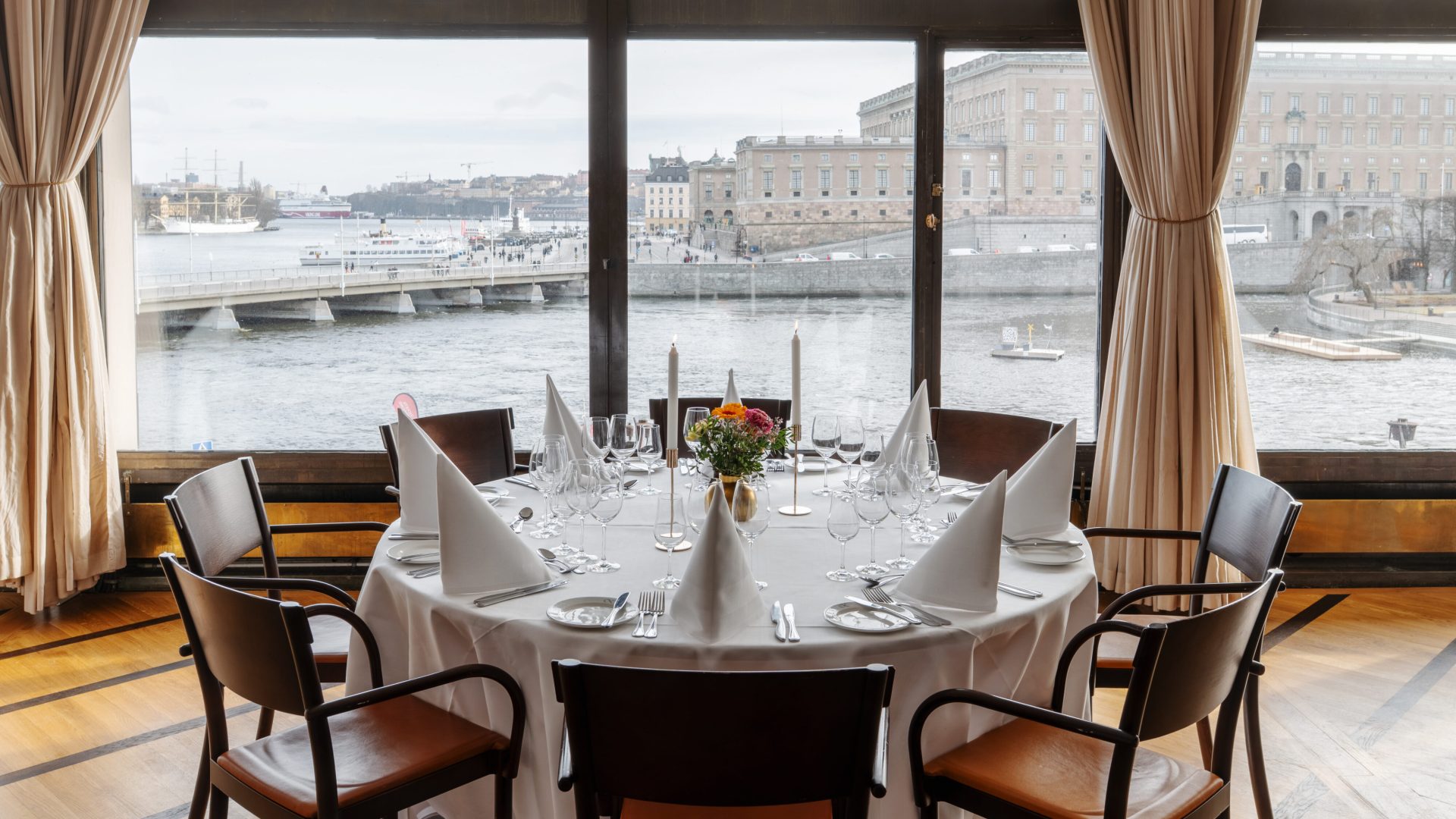
First, there's the welcome. Then the guests enter the dining room, which is often a striking experience, especially if it's their first time here. Guests need a moment to take in the magnificent surroundings. Then the sommelier team presents the evening, and guests may start with champagne. When the kitchen brings out the first hot broth and snacks are served, almost like a small taste explosion, something happens.
Operakällaren changed quite a bit in recent years. Tell us about it.
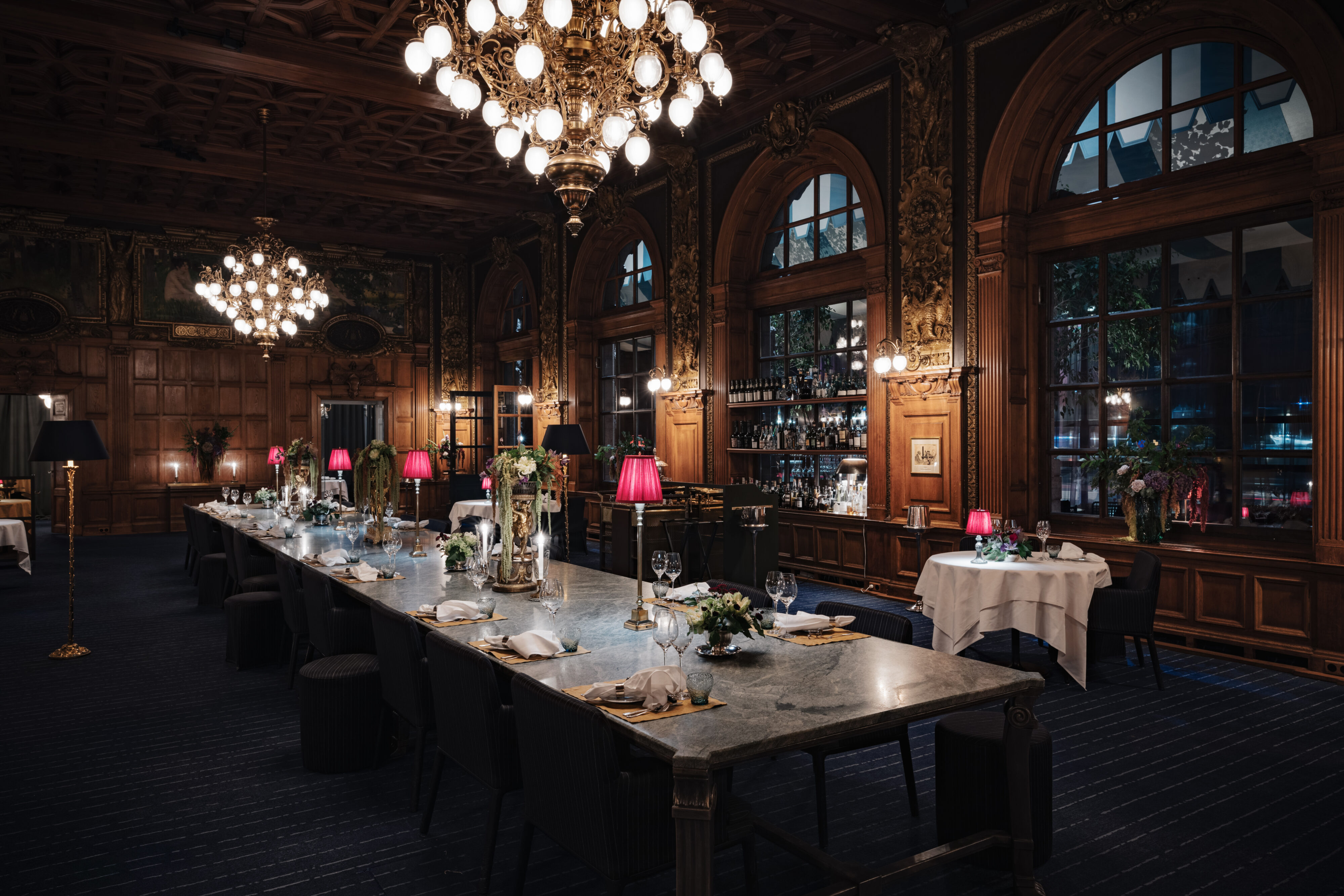
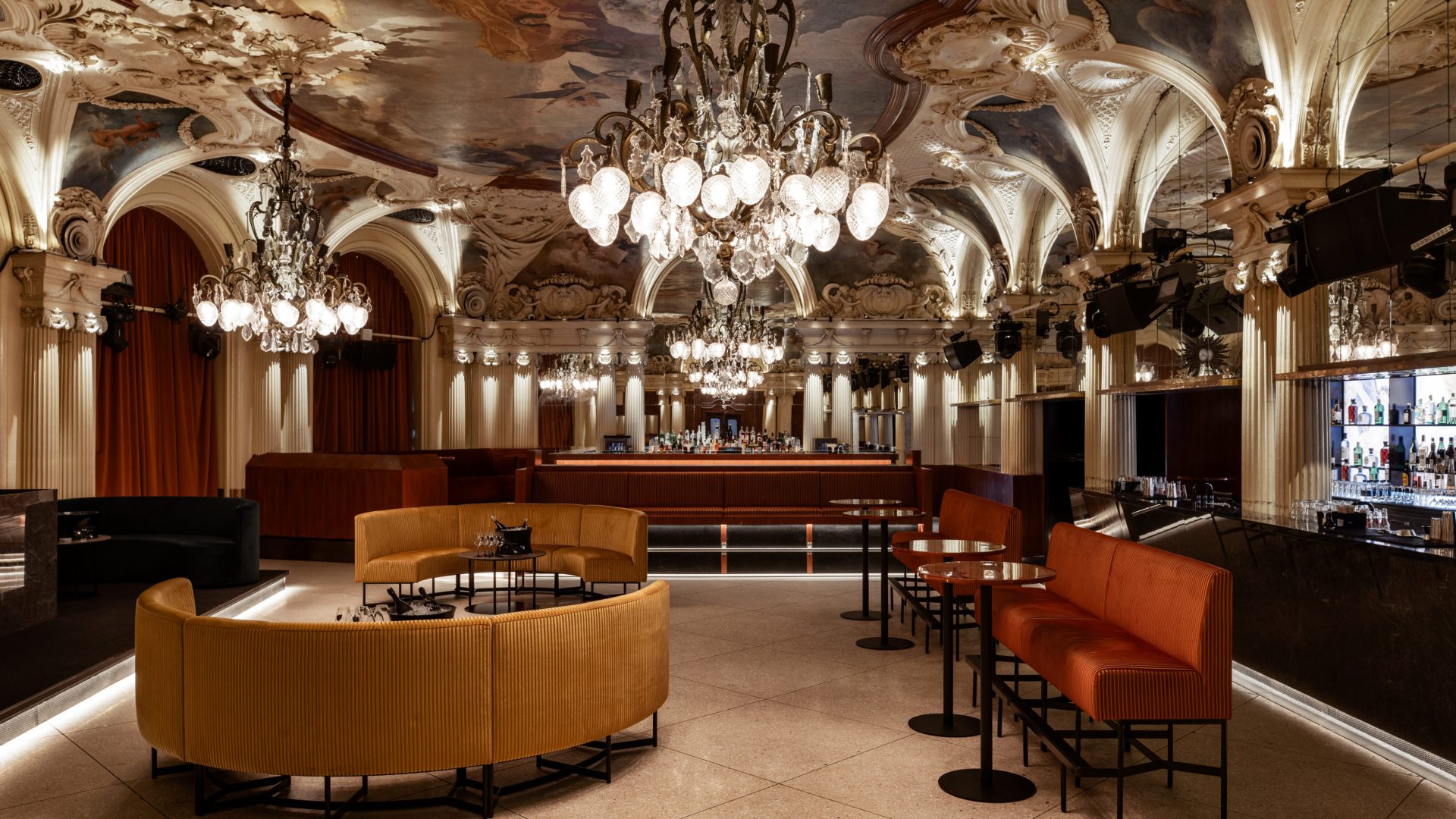
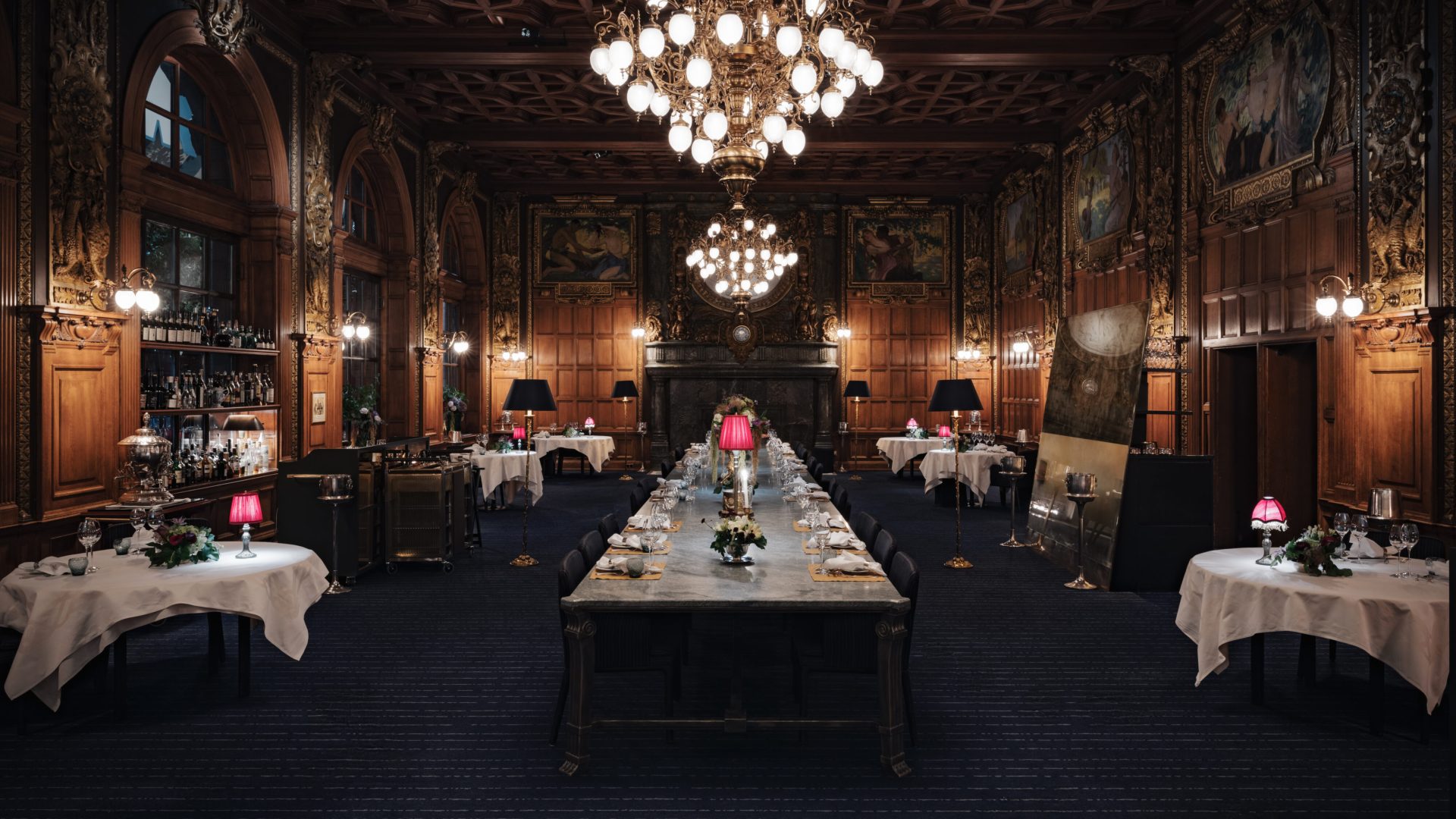
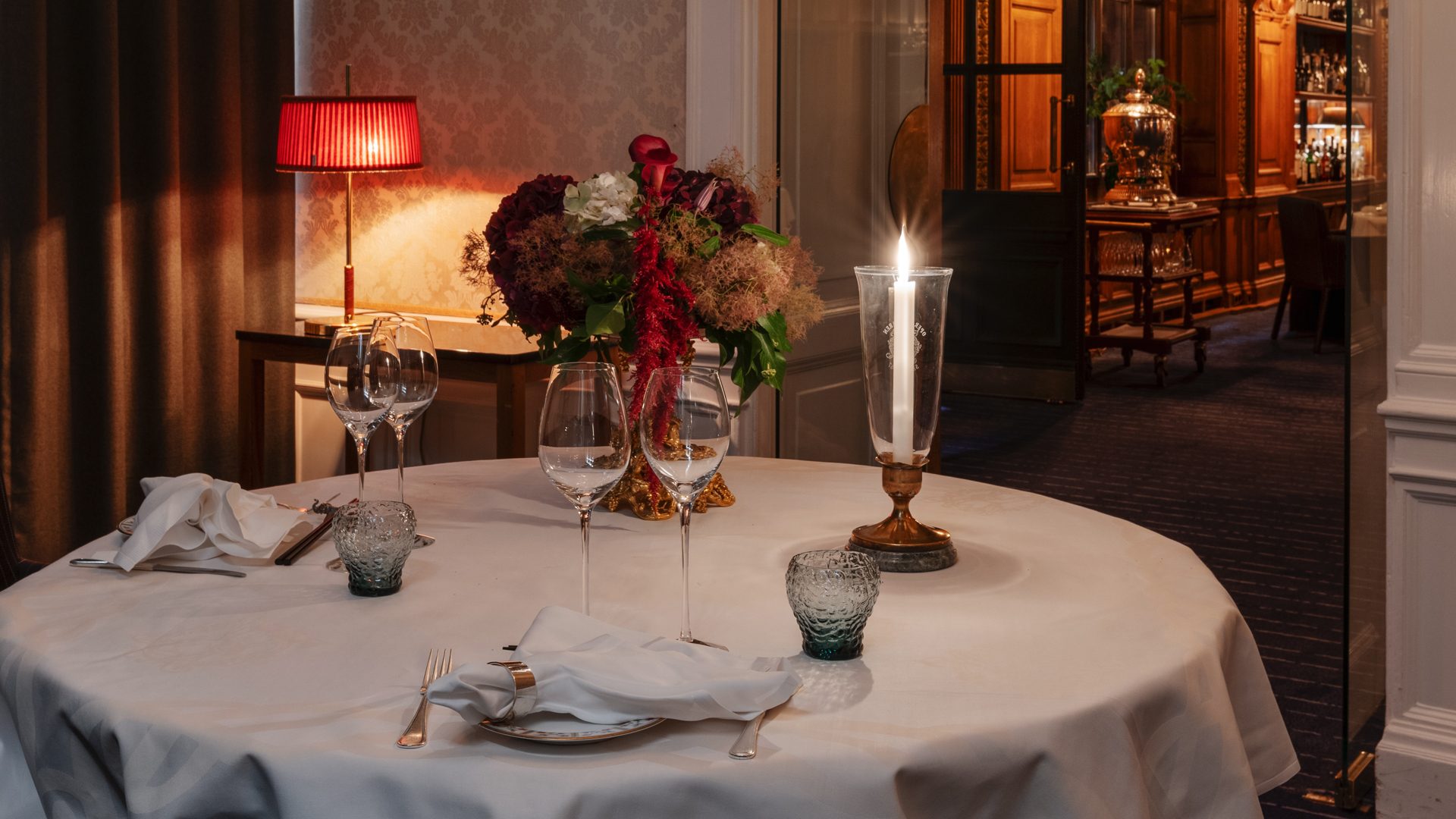
We have opened up more—both literally and in terms of atmosphere. The large marble table has become an integral part of the dining room, music has been given more space, and we have consciously worked to eliminate what could previously be perceived as stiffness. The interaction with guests is more personal today. Here, you can be yourself—and feel completely at home in an environment that also carries over a hundred years of history.
What characterizes truly excellent hospitality at the highest level?
Seeing the guest and being attentive. Some want to be gently guided, others want to be completely led. Being personal, but not private. Reading the room and doing the right thing at the right time—sometimes it's big gestures, but most often it's small details.
How do you know when a guest has truly relaxed?
You can sense it in the room, in the buzz and in the energy.
How has your journey from kitchen to dining room shaped you?
Above all, it has given me a comprehensive understanding. I speak both service chaos and kitchen pulse, and that has fundamentally shaped both me and my career.
I have stood in the kitchen where the orders never stop coming and every second counts. Where quality must be maintained while the pace can be brutal. And I have stood in the dining room, where the energy is almost electric, where the guests' expectations are palpable, and where everything ultimately depends on timing, presence, and feeling.
I see two worlds, but also how closely they are connected. I understand the frustration on both sides, but also the magic that happens when it works. It has made me humble towards both perspectives and aware of how crucial the interaction between the kitchen and the dining room is.
Do you have any rituals before service?
We eat staff meals, have a briefing, shout "Bon service!" and clap our hands. Then we get going!
When you're not here, where can we find you?
At concerts or restaurants. But also with my family in Östergötland, or on the sofa with my cats Humlan and Milla. Otherwise, I enjoy spending time with friends – and right now, I'm doing a lot of DIY in my new apartment.
Tell us something surprising about yourself.
I'm pretty good at playing the clarinet, which not many people would expect.
If you hadn't worked in a restaurant, what would you have done?
I would probably have been a police officer, working on the streets.
What stresses you out the most during service?
It stresses me out if the setup isn't completely ready on time and the small details are being fixed at the last second. Then it can feel like you're holding your breath when the first guests walk through the door. But otherwise, I'm pretty calm during service.
What time of day do you love the most?
When we start service, it's a great feeling. If I'm not here, it's the sunny hours when you can be outside and enjoy yourself.
What do you want guests to take away with them when they leave?
That they have eaten food with rich, distinct flavors and been looked after by staff who truly love what they do. Service that feels genuine and attentive. That they leave with a smile on their lips—and with the feeling that it was more than just dinner. That it was more of an experience.
What do you hope your team feels after an evening?
That it was fun. That they are proud. That they feel they have done something good—and have been told so.
What has your profession taught you about people?
Adaptability, above all else. Being able to meet different guests, but also different colleagues, where they are. I have also learned that energy is contagious. And that regardless of background or familiarity with restaurants, people immediately notice if the service is genuine. Authenticity cannot be faked.
When do you feel most in your element here at the restaurant?
When I move around the marble table, lap after lap, making sure that all the guests are comfortable and that everything is running at the right pace.
What do you need to feel balanced in your everyday life?
I love this so much that I rarely want to leave. But to feel balanced, I need music. Yesterday was a typical example of what that can look like: first I worked, then I jumped into a taxi to get to my other big interest in life—concerts. I have to be part of the music, otherwise I can't function. I need to stand in a sea of people as often as I can.
If you could take one thing home from Operakällaren?
The DNA wagon. The silver wagon that contains everything that is important to us.