A conversation where we meet one of the key people who make Operahuset what it is. A person who plays an important role in the Opera House's story and contributes to the experiences, the hospitality and the inclusive gastronomy. Together, we continue to create memorable moments - one dinner, one party and one experience at a time.
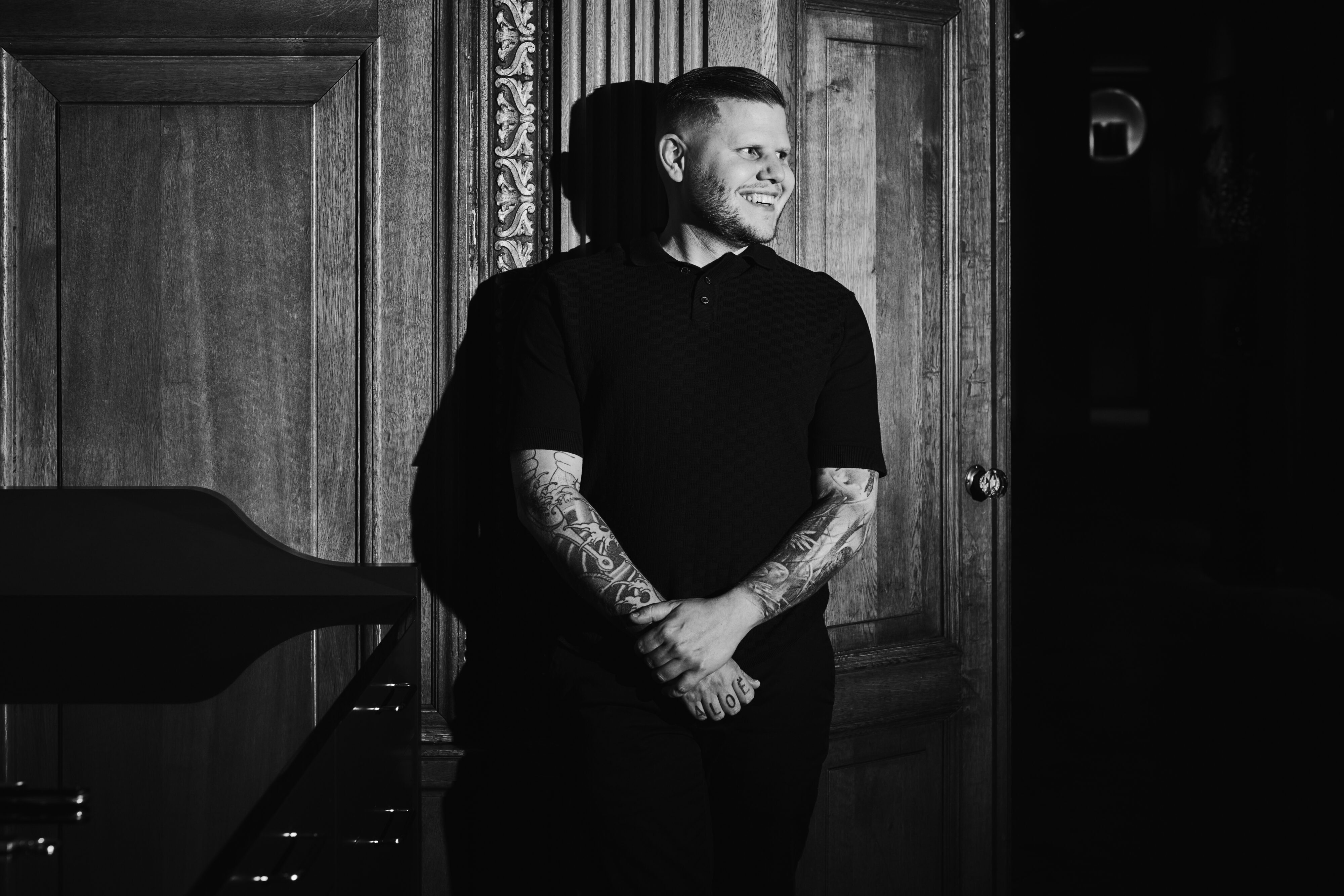
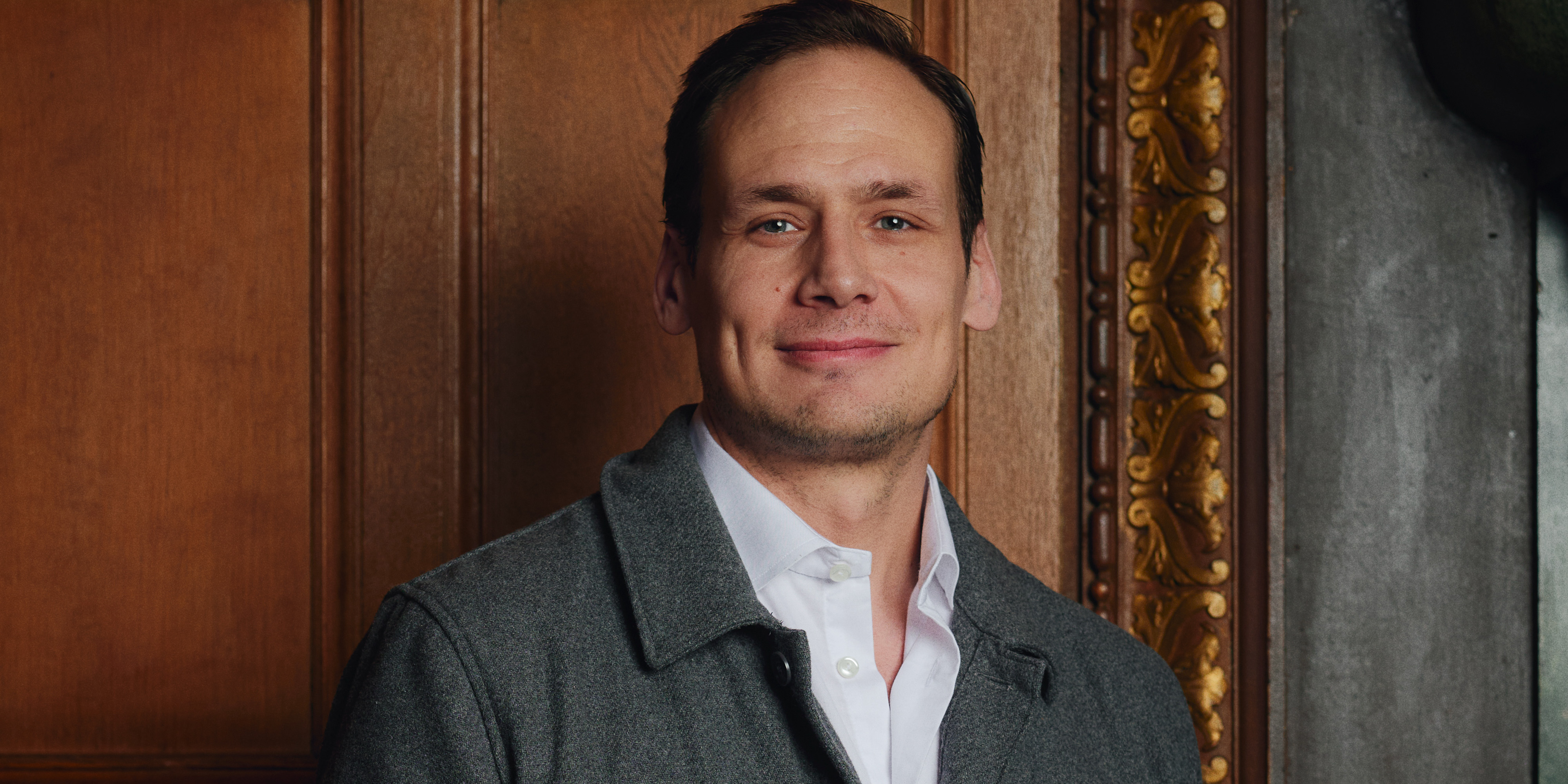
This time we meet Pierre Bergling, Superintendent of Operahuset.
Hello Pierre! You are the Superintendent of Operahuset. What does the role actually entail?
It's an old title, still alive here and at the Grand Hôtel, and it means taking care of the building, but not in the same way as a caretaker. It's a job that involves both responsibility and tradition. I got the title two years ago, but I actually started here as a 17-year-old trainee when I was at the restaurant school in Sundbyberg. I've worked in almost every department in the building, with a break of five years when I was F&B manager at Nobis Hotel.
What does your work involve in practice?
I relieve the heads of department so that they can focus on service. I'm responsible for deliveries, purchasing, health and safety, finance and contracting. I'm also the link to the National Property Board when it comes to managing the building.
Do you remember your very first day in the building?
Oh yes! Me and my friend Adam started as trainees. We were greeted by the housekeeper, had to sign in, get coats, iron our pressed trousers and polish our shoes. We were given instructions with exact measurements for the table setting and then had to set the table in front of the restaurant manager, who checked everything with a ruler.
We were also given a manual with around 30 points - from how to welcome guests to how to help them out in the taxi. We had to know the menu in French, Swedish and English. It was incredibly tough, but my teacher used to say that this was Sweden's hardest and best restaurant - and I knew that was exactly where I wanted to be.
Do you still keep in touch with the old team?
Yes, we meet at least once a year for lunch. Many of us are older now, but there is a special community that is in
What does Operahuset mean to you personally?
For me, it's more than a workplace - it's really like a second home. I rarely think about 'being at work'.
How has the building changed during your time here and what has remained the same?
The core business has changed very little in my 24 years. It's still the same kind of events and traditions. What changes are the people. Today, when I work with Emanuel on the Christmas table, it almost feels like when I started. The service and quality have improved, but the common thread is in the history and in the walls.
Is there a moment that has stuck in your mind?
All the occasions when we have worked for the Royal Family. The wedding dinner for Crown Princess Victoria and Prince Daniel is a memory for life. The secret rehearsal dinner here in Operakällaren was something very special - hardly anyone in the house knew what was going on, and the press turnout outside was huge.
And then, of course, there are the countless big dinners and parties with prominent guests that remain in the memory.
How do you see service and hospitality?
For me, it's not just a job, but something I enjoy. That's the essence of service - you have to like what you do, otherwise it's immediately visible to the guest.
What is the soul of the Opera House and how is it preserved in a changing world?
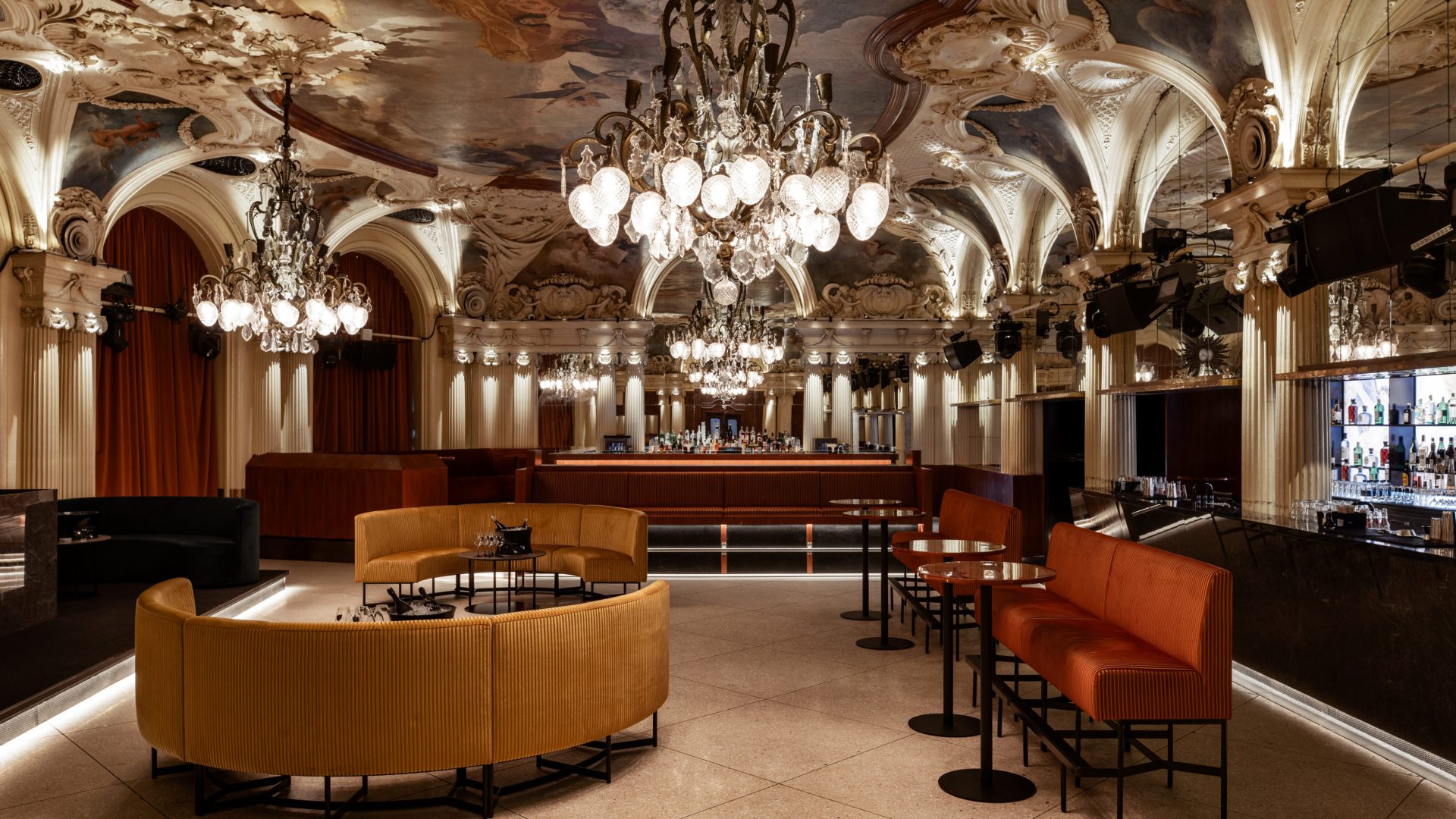
It's the culture, the food and everything that has been built here over the years. Operabaren , for example, has had the same concept for over 120 years. Everyone who works here wants to preserve what has been, but at the same time fine-tune small details.
Do you have a time when you think the house feels most alive?
The first day of Advent, for sure. When the house is decorated, the Christmas table is set and the first day of service begins, that's when the house is at its most beautiful
Do you have a favorite spot in the house?
Operabaren - for the history, the food and the guests.
What do you see as your biggest responsibility towards the house?
To take care of the heritage elements - to make sure they are cared for and preserved.
What have you learned about people after all these years here?
To become a people person. All kinds of people meet here - different ages, experiences and backgrounds - but we are always a team. That is a strength.
How has working here changed you?
I have grown up here. I've matured and learned a lot about food, drink and culture. It took me a year to learn the basics - this is really where I got all my restaurant training.
Is there a role model you have carried with you over the years?
Many. But especially Jean-Paul Bénèzeth, he was the cellar master at Operakällaren and my boss for 20 years. He has had a decisive influence on my career.
Soon, a long renovation of the whole house awaits. How does it feel?
"It's sad, of course, but also great to be part of the closing of the building - and even more fantastic to be part of the planning for the new Operakällaren in 2032. Right now I'm sitting with the architects and designing the kitchen. Renovating the house is both very necessary and exciting.
What do you hope colleagues and guests remember you for on the day you walk out the doors for the last time?
As a person who was helpful, friendly and contributed to the history of the house.
If you could take one thing home from Operahuset , what would it be?
A painting by Taube that hangs in the staircase up to Operabaren. In the 1930s, a young Evert Taube sat there and drew a portrait of Eva with lipstick on a napkin from Operakällaren. I have always liked it.